
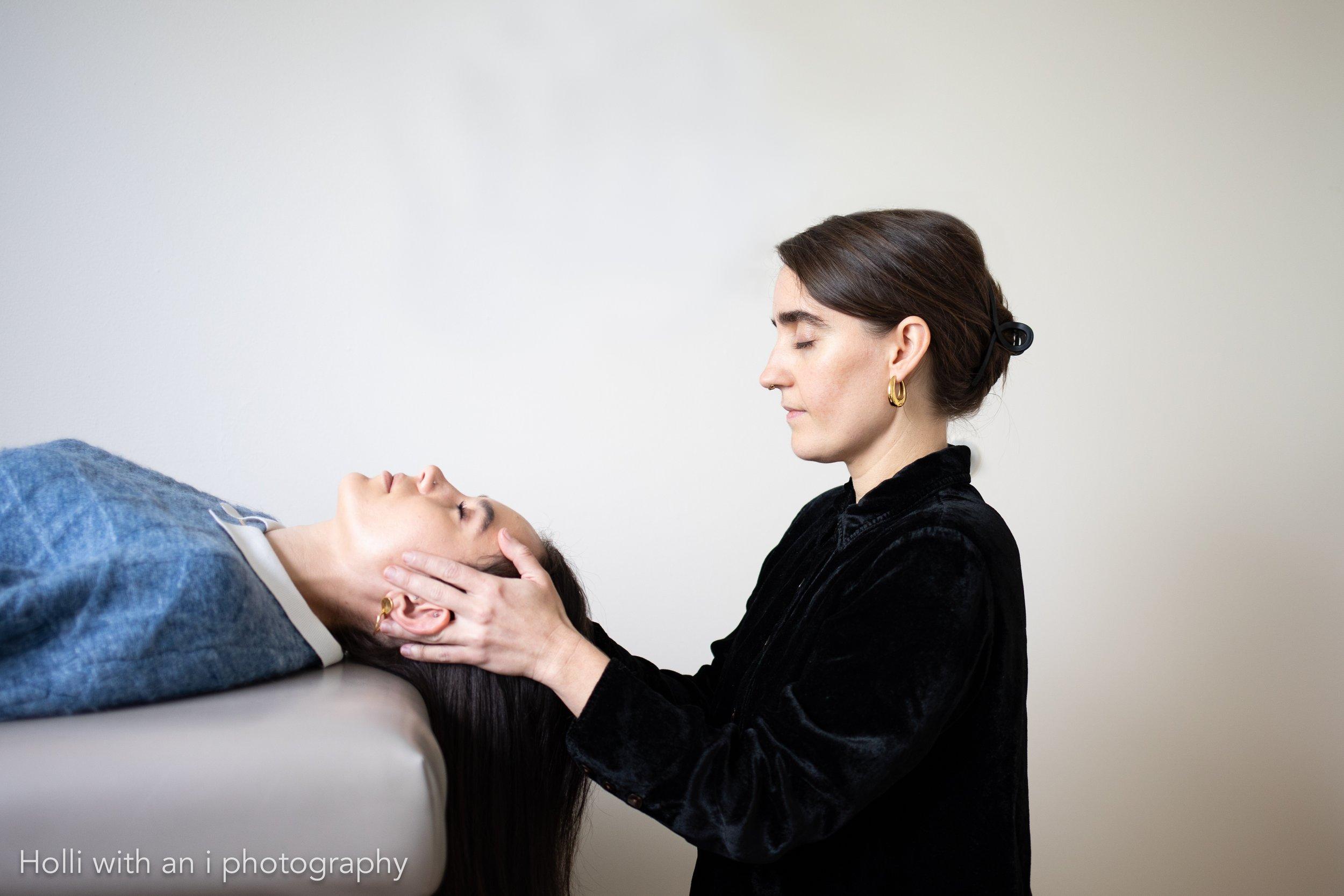
Craniosacral Therapy
Upledger CranioSacral Therapy (CST) is a gentle, hands-on bodywork modality developed by John E. Upledger, an osteopathic physician. It focuses on evaluating and supporting the craniosacral system—the membranes and cerebrospinal fluid that surround and protect the brain and spinal cord.
1st Session 2 hours — $190
Followup Sessions 90 min — $150
What Happens in a Session
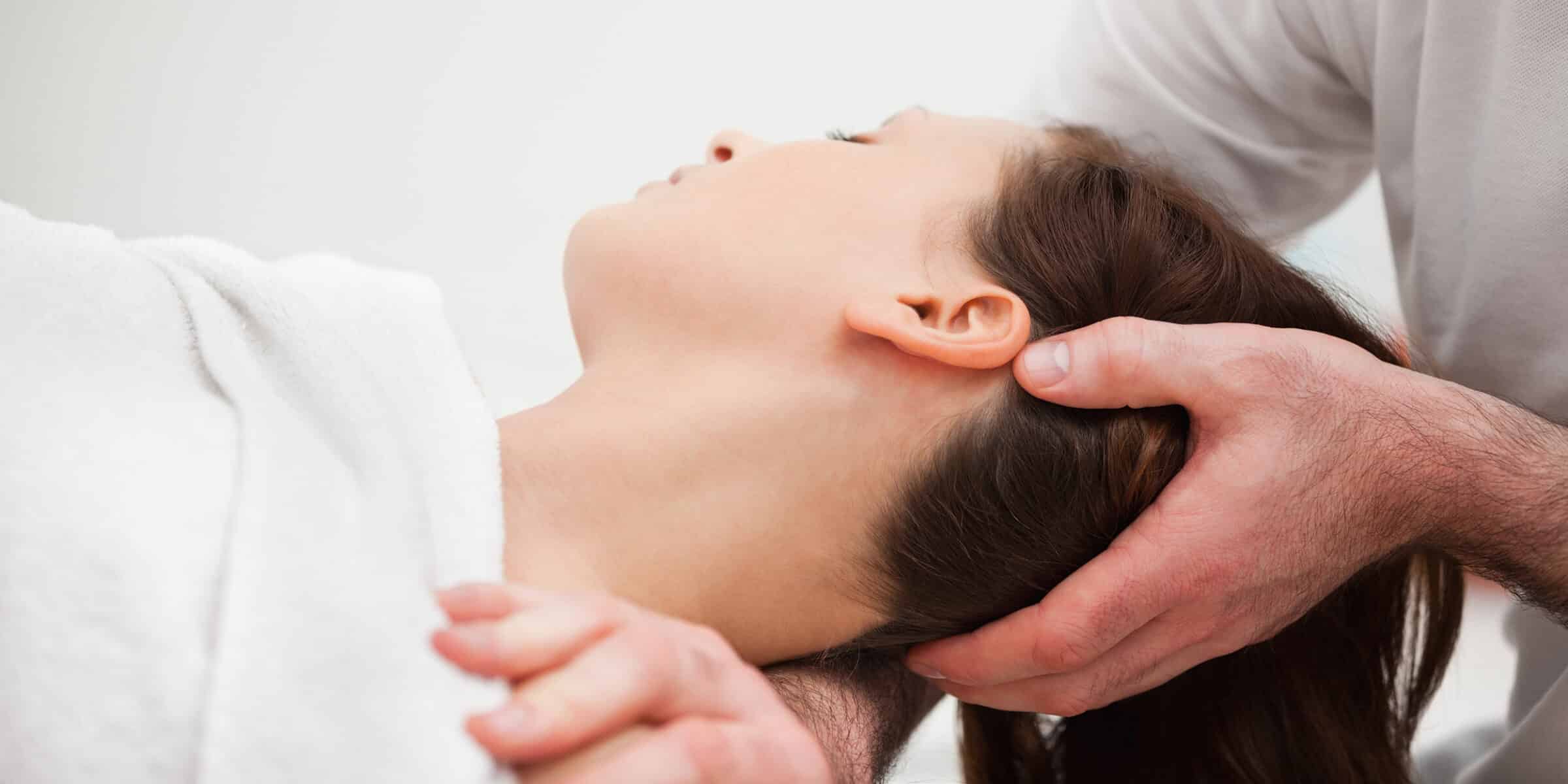
- The client lies fully clothed on a massage table
- The practitioner uses a very light touch (about 5 grams—roughly the weight of a nickel)
- Hands are commonly placed at the head (cranium), spine, and sacrum
- The practitioner listens for subtle rhythms and restrictions and encourages the body’s own self-correction
Core Principles
- The craniosacral rhythm reflects the movement of cerebrospinal fluid
- Restrictions in fascia, membranes, or joints may contribute to discomfort or dysregulation
- Gentle input can help the nervous system shift toward balance and regulation
Common Reasons People Seek CST
People often use CST as a complementary (not replacement) approach for:
- Stress and nervous system overload
- Headaches or migraines
- Jaw/TMJ discomfort
- Chronic pain patterns
- Trauma recovery and emotional processing
- Post-concussion support
- Sleep challenges
- Whiplash
- Physical injuries of the entire body
Experiences vary. Some people feel deep relaxation; others notice subtle changes over multiple sessions.
How It Differs From Massage
| CranioSacral Therapy | Massage Therapy |
|---|---|
| Extremely light touch | Variable pressure |
| Nervous system–focused | Muscle/soft-tissue focused |
| Stillness, listening | Manipulation, movement |
| Subtle internal changes | Local tissue changes |
Scientifically Accepted:
This system exists, protects the CNS, and plays a role in pressure regulation, immune signaling, and waste clearance (glymphatic system).